 Steve Jobs - the new Aaron Sorkin-scripted movie, not the person - is incredibly unique. Certainly not in its subject matter, since Jobs has been featured in like, four dramas/documentaries in the same amount of years, but in the way it's structured. Because of this (and the acting, and directing, and everything else that makes this movie great) I would venture to say that this movie, this iteration of possibly the most well know technological innovator of our time, should be considered the definitive screen version of Jobs and his life story. Everyone else wanting to make a Jobs movie, just stop. It's not worth it. You can't win this one. I don't care if it's not the most accurate, or if "Apple Experts" hate it, or even what your most basic opinion of the real Steve Jobs is. This is the one.
Even if you push aside most of the things that you'd normally focus on when seeing a movie, things like actors, direction, and cinematography, and focus solely on Sorkin's story structure, you've got something that is far more original than most films being made today. For a studio-backed biopic to break away from a more traditional "follow our main character throughout their entire life" story is huge. If you haven't seen it (and judging by the way it's doing at the box office, you probably haven't) Steve Jobs is broken down into three main scenes, with each one taking place before a major product launch. With the exception of a few brief, well placed flashback scenes, all exposition, all character introductions, everything is done in real time, within the boundaries of these three product launches. Is it what happened in real life? No, probably not. But Sorkin uses this structure to tell a damn good story.
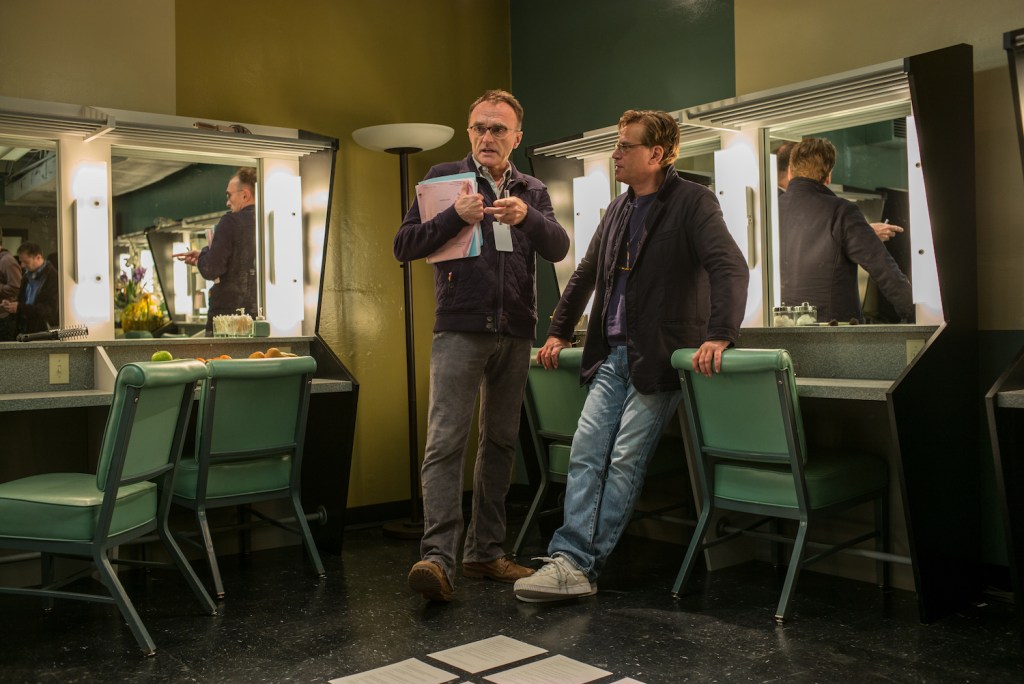
There will always be movies that try to radically change the structure of a typical story, films like Memento, or Eternal Sunshine of the Spotless Mind. These can be fun, a nice break from the monotony of characters going from point A to point B over the course of a film, and some of them (these two may be some of the most notable) use non-linear storytelling to a stronger effect than just trying to confuse the audience. Other than these handfuls of non-linear scripts, movies tend to stick to the same basic structure. Sorkin broke this with Steve Jobs. It wasn't the most radical idea in the world, and you still see the development of Michael Fassbender's Jobs over the course of the film, but even Sorkin expressed his surprise at being allowed by the studio to follow through on such a different premise. In a way, it really mirrors its subject matter. A big part of the movie is how Jobs focused on adding a human component to a scary new machine (one of the major crises in the first act is how they can't get the Macintosh to say "hello) and that's more or less what Sorkin did with the script. Instead of of looking at the big picture, at Jobs' entire life, he narrows it down to five or six particular conflicts, and shows how they develop from '84-'88, and then again from '88-98.


