**SPOILER ALERT**
Sticking with our class theme of lighting today, I decided to analyze the lighting of the series I am currently binge-watching — Game of Thrones. The majority of scenes in Game of Thrones take place in three places: Essos (a desert-like continent), King’s Landing (a well-developed coastal town), and The Wall (a city in the frozen tundra of the North). The lighting in the scenes from each place changes dramatically, and perfectly matches the mood and tone of the storylines that take place in each location.


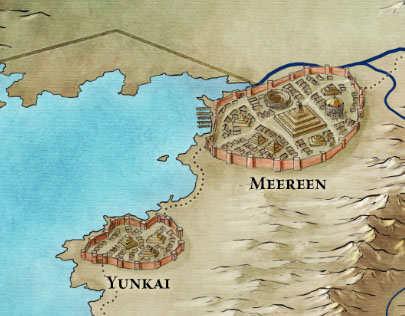
The first location I’ll discuss is Essos, the desert continent. This story line follows one of the show’s main protagonists, Daenerys, as she travels from city to city freeing the slaves and killing their masters, recruiting former slaves who wish to join her army. In the beginning of the series, Daenerys is given to a barbarian-like race called the Dothraki and is made “khaleesi” (queen) of one of the tribes. Her only purpose is to give the “khal” (king) a baby, and she is mistreated as many women in the series are. These scenes are very dark with lots of shadows and warm colors, which does a good job of portraying the mood of the scenes. As time goes on though, Daenerys gains power and begins to form an army. She fights for a good cause and is a very positive character, so her scenes change to being lit with soft, warm light. Daenerys has bleach blonde hair and wears very bright colors, which contrasts the dark, plain colors worn by the slaves she frees. As she gains power and her army grows, the colors lighting in her scenes gets brighter and brighter with less shadows.


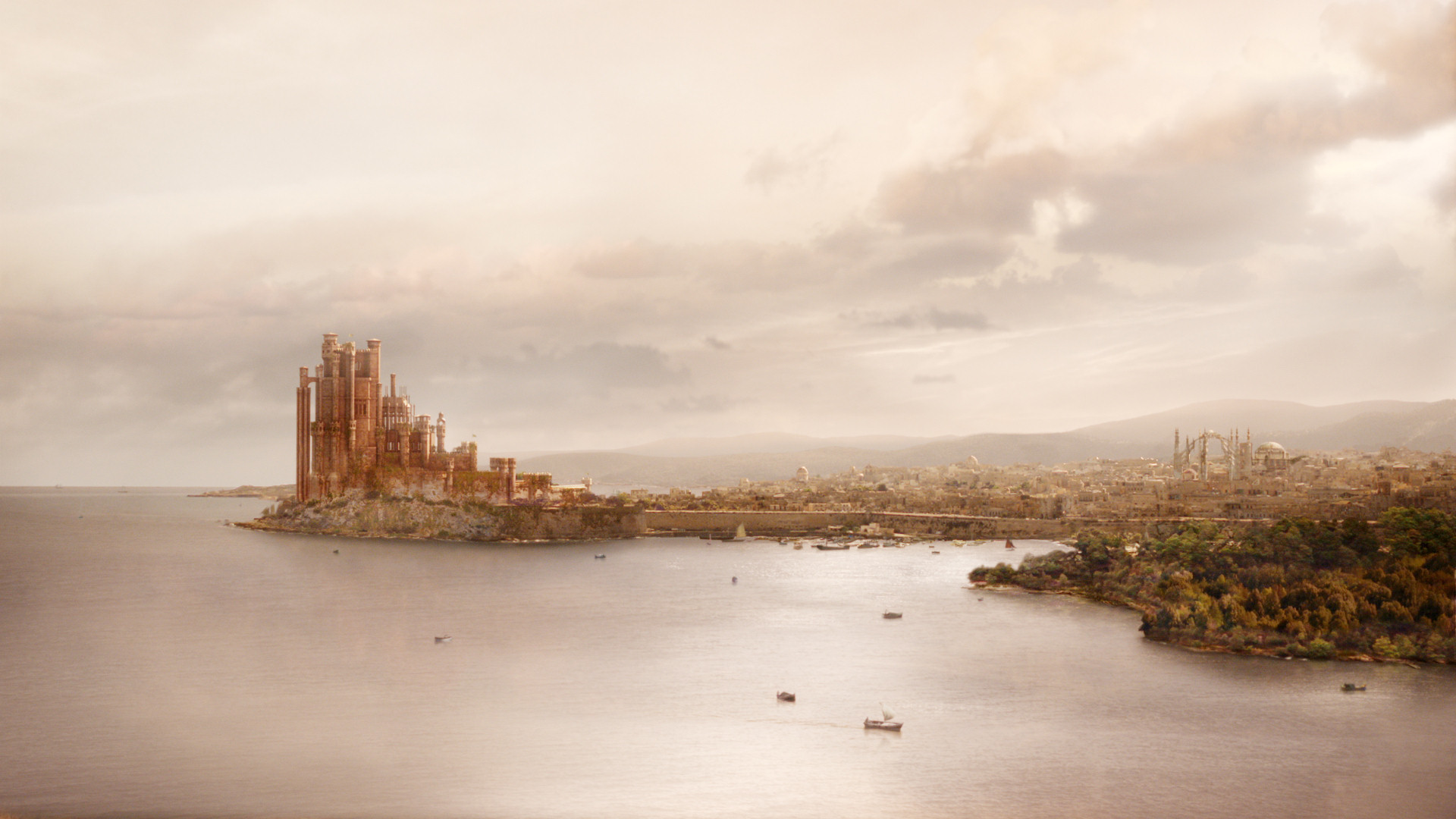
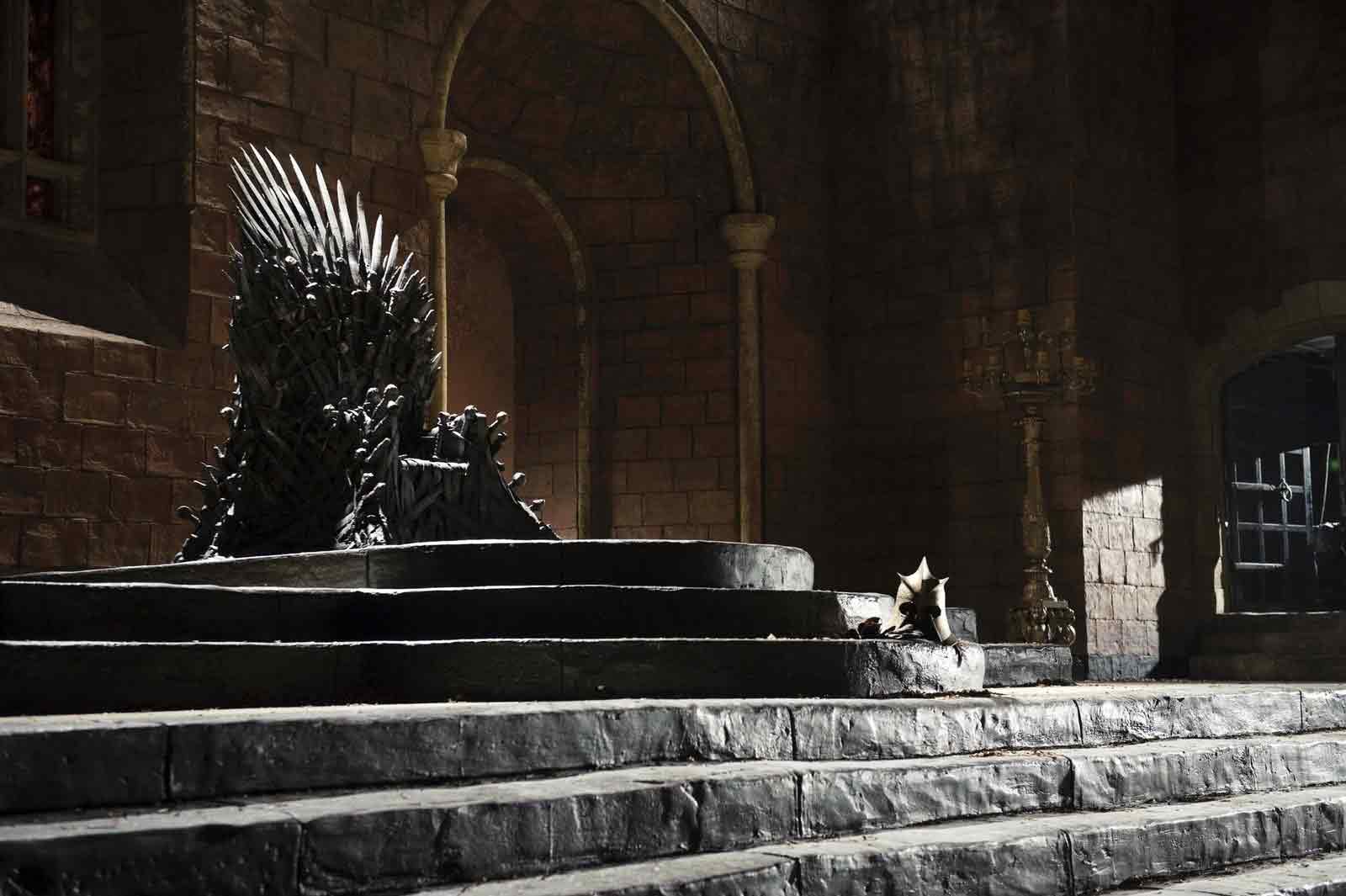
The second location, where much of the show takes place, is King’s Landing. As the name suggests, this is where the King and the royal family lives. The storyline in King’s Landing follows two families: the Starks and the Lannisters. Sansa Stark is another one of the series main protagonists, but she is forced to marry into the antagonist Lannister family. While some of the happier scenes take place outdoors with bright colors and full, soft light, the dark and twisted scenes take place inside the castle and are much darker. Since there is no electricity in the time period/world that the show takes place in, everything is lit with candles. The show does a great job of targeting light to make it appear that each room is lit only with candles since there are rarely windows inside the castle, even though the number of candles shown couldn’t possibly create enough enough light to actually show what’s happening. It is interesting watching these scenes, and the lighting is always impressive.

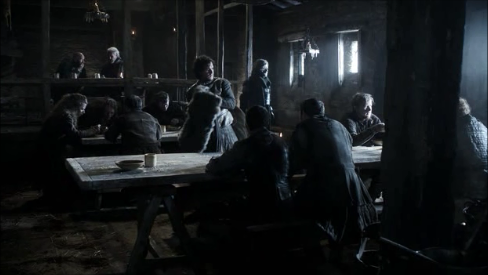
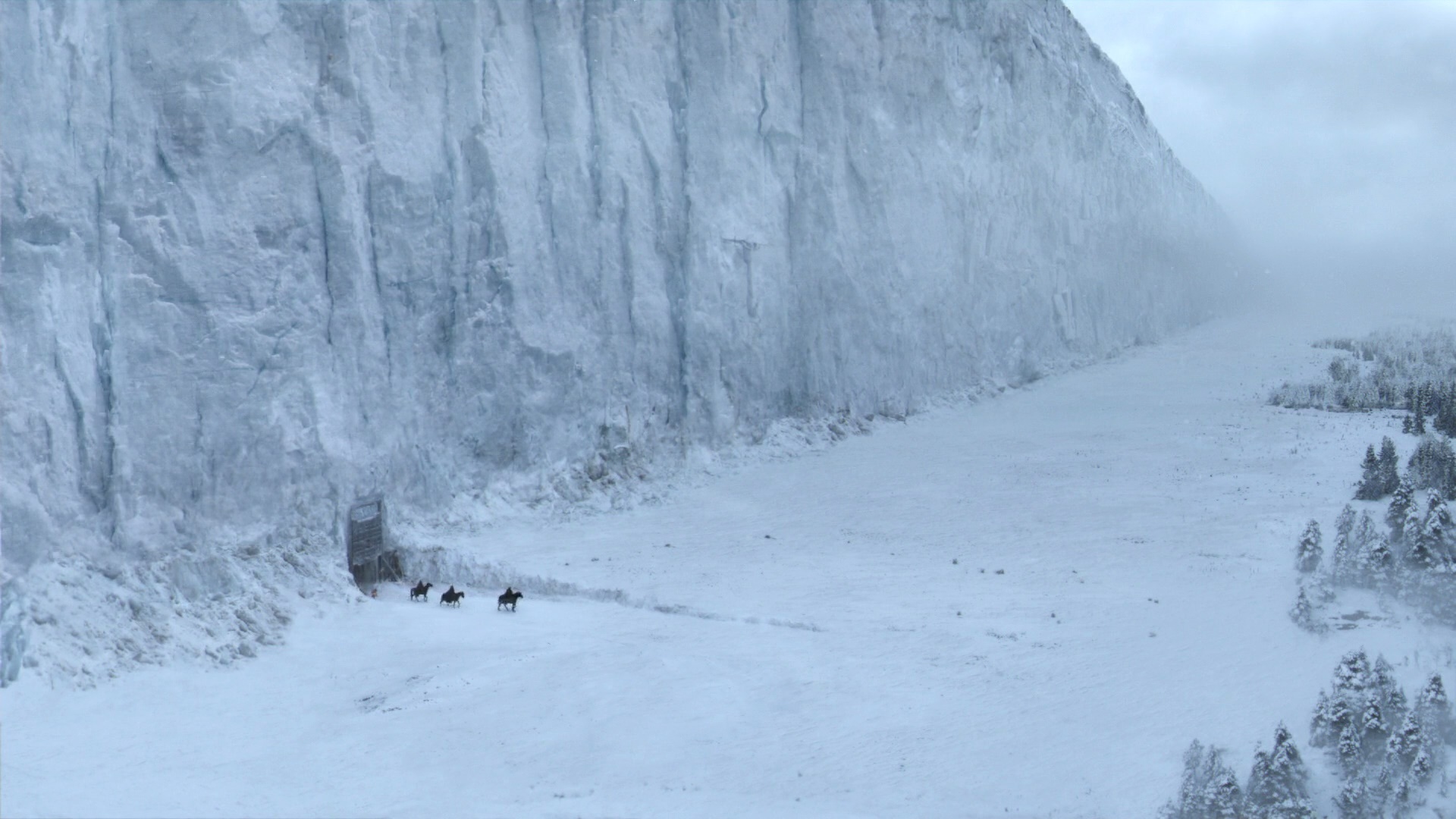
The last major location of the show is along “The Wall”, a giant, 700 foot tall ice wall in the North that travels 500 miles from coast to coast. The main character here is Jon Snow, the bastard child of Ned Stark, father of the Stark family. Jon Snow is a member of the “Night’s Watch”, the defenders of The Wall who give up their life for the brotherhood. Since the North is a tundra-like environment, the outdoor scenes have no shadows, imitating how clouds diffuse the sun when it snows. The indoor scenes are VERY dark, lit with very few candles, and the color palette is always very dark. Jon Snow has lots of personal struggles, and the mood of the storyline at The Wall is usually dark and depressing. The lighting and color palette matches this mood, with all colors either being pale white like the snow or dark brown like their furs/clothes.